



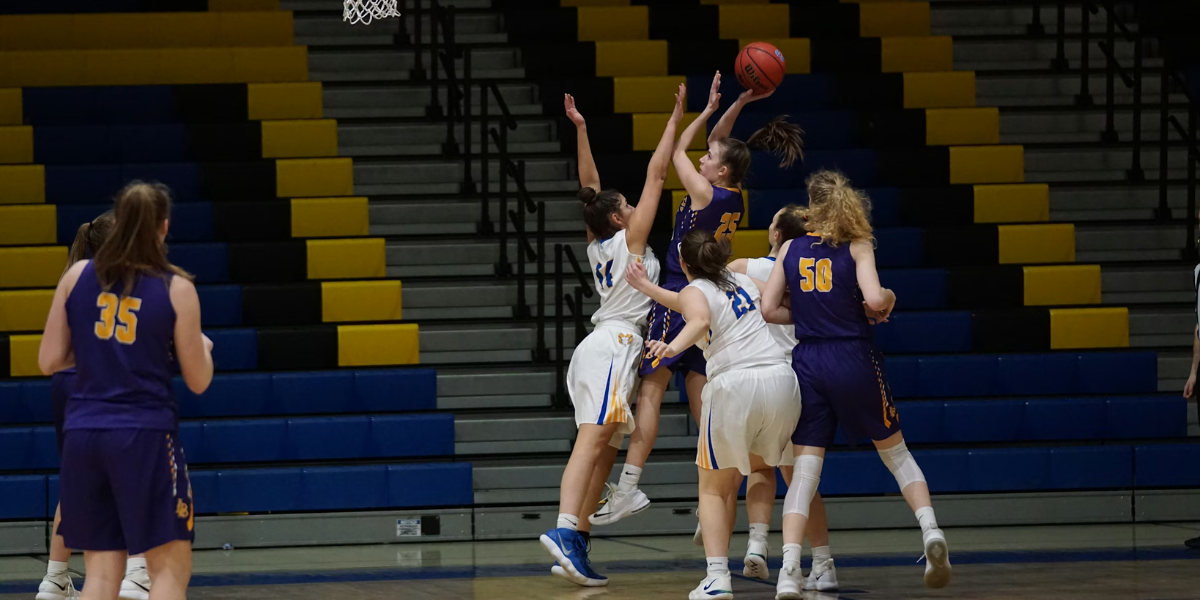
On March 28, 2026, the NCAA Division I Women’s Basketball Tournament reached a pivotal stage as the Elite Eight matchups unfolded across the United States, showcasing elite talent, record-breaking viewership trends, and the continued rise of women’s sports on a national stage. The games not only determined the Final Four contenders but also highlighted the growing cultural and commercial impact of women’s collegiate athletics.
The day featured several high-stakes matchups, with top-seeded programs facing off against resilient underdogs. Teams such as South Carolina, Iowa, and Stanford entered the Elite Eight with strong regular-season records and deep tournament runs, while emerging programs continued to challenge traditional powerhouses. These games drew widespread attention from fans, analysts, and media outlets, reflecting the increasing competitiveness and visibility of women’s college basketball.
One of the most talked-about storylines from the Elite Eight was the continued dominance of established programs combined with the rise of standout individual athletes. Players delivered exceptional performances under pressure, with multiple athletes recording double-doubles and clutch plays in the final minutes of tightly contested games. Scoring efficiency, defensive intensity, and strategic coaching adjustments were key factors influencing outcomes throughout the day.
Beyond the on-court action, March 28 also marked a significant milestone in audience engagement. Viewership for the women’s tournament has steadily increased over the past several years, with 2026 continuing that upward trajectory. Data from earlier rounds indicated strong year-over-year growth, particularly among younger audiences and female viewers. This trend underscores a broader shift in sports consumption, where women’s competitions are gaining recognition as premier events rather than secondary programming.
The commercial implications of this growth are notable. Sponsorship deals, advertising revenue, and merchandise sales tied to women’s basketball have expanded in parallel with rising interest. Brands are increasingly aligning with female athletes and teams, recognizing both the competitive excellence and the strong fan communities surrounding the sport. The visibility of collegiate stars often translates into professional opportunities, including endorsements and careers in leagues such as the WNBA.
Another key development highlighted during the Elite Eight was the emphasis on athlete empowerment and leadership. Many players have used their platforms to advocate for greater equity in sports, including access to resources, facilities, and media coverage. While the tournament itself remains focused on competition, the broader narrative reflects a generation of athletes who are shaping conversations about representation and opportunity in athletics.
Coaching also played a critical role in the outcomes of March 28’s games. Experienced coaches demonstrated tactical adaptability, making crucial halftime adjustments and managing player rotations effectively. Teams with balanced offensive strategies and disciplined defensive schemes were more likely to advance, reinforcing the importance of preparation and leadership at the highest levels of collegiate competition.
For fans and aspiring athletes, the Elite Eight offered valuable takeaways. The level of competition illustrates the importance of skill development, teamwork, and resilience. The increasing visibility of women’s sports provides more role models and clearer pathways for young athletes. The event also highlights how sports can serve as a platform for broader societal impact, including discussions around equality and representation.
The significance of March 28 extends beyond the immediate results of the games. As the tournament moves into the Final Four, the momentum generated by the Elite Eight is expected to drive even greater engagement. Media coverage is likely to intensify, and ticket demand for upcoming games is anticipated to remain strong. This continued interest reflects a sustained shift in how audiences value and support women’s athletics.
In conclusion, the Elite Eight of the 2026 NCAA Women’s Basketball Tournament represents more than just a decisive stage in a championship bracket. It reflects the sport’s rapid growth, the exceptional talent of its athletes, and the expanding opportunities within women’s sports. As teams advance and the competition narrows, the impact of this tournament continues to resonate with fans, industry stakeholders, and future generations of athletes alike.
