



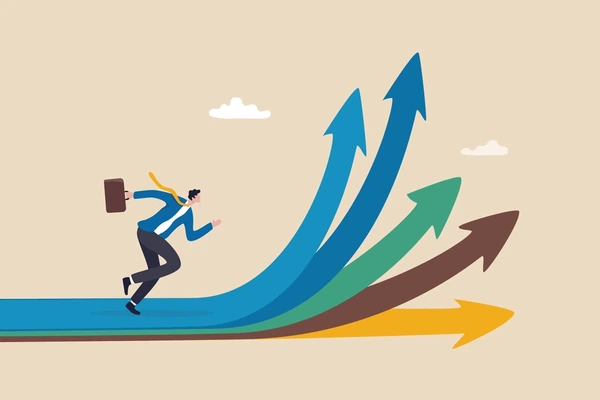
Career paths rarely change all at once. They shift as societies age, as technology reshapes work, and as institutions respond to pressure points in the labor market. Over the past decade, these forces have begun to reshape where and how women work, especially in health, education, and technology.
These sectors already employ large numbers of women. What is changing is not just participation, but the kinds of roles available and the skills they require. This article looks at how new pathways are forming, what is driving them, and where progress remains uneven.
What Is Driving Change in Career Pathways for Women
Career opportunities expand or contract based on need. In recent years, population aging, digital systems, and labor shortages have pushed employers to rethink how work is structured.
Health systems face rising demand for services. Education systems serve more diverse learners across age groups. Technology underpins nearly every industry, not just software companies. These pressures have changed job design and skill expectations, which have opened new roles that did not exist in the same form ten or fifteen years ago.
The World Economic Forum’s Global Gender Gap Report 2025 shows that women’s labor force participation has increased unevenly across regions. The highest increases in participation are in sectors that have experienced structural demand rather than cyclical growth. The report further indicates that it is not enough to have women represented as a majority to claim equal opportunity, especially when there are still leadership and pay inequalities.
Emerging Opportunities Across Sectors
Health, education, and technology are often discussed separately, but workforce trends show overlap. Each sector faces rising demand, skills shortages, and growing reliance on data and digital systems.
While the details differ, the pattern is similar. Traditional roles remain important, but new positions appear alongside them, shaped by coordination needs, analysis, and system management rather than direct service alone.
Health Sector
Health and social care employ more women than almost any other sector. In many OECD countries, women account for more than three-quarters of the workforce. Employment growth in health services has also outpaced overall job growth over the past decade, according to OECD data.
What stands out is the change in role composition. Alongside nurses, caregivers, and clinicians, health systems now rely more on care coordinators, health data specialists, and planning roles that support service delivery. These positions focus on organizing care, tracking outcomes, and managing patient flow rather than direct treatment.
Despite this expansion, leadership roles remain less evenly distributed. Women continue to hold many frontline positions, but senior management and policy roles show lower representation. This gap reflects long-standing structural patterns rather than a lack of participation.
Education
For a long time, education has been a major source of employment for women, especially in the role of teachers. However, what has changed is the functioning of education and its target audience.
OECD data indicate that the level of women’s educational attainment is very strongly associated with their participation in the labor market, and education systems themselves now employ more specialists beyond classroom teachers.
Educational institutions such as schools, universities, and training providers depend more and more on instructional designers, learning technologists, assessment specialists, and student support coordinators. These positions are a reaction to the implementation of blended learning models, the rise of adult education, and the necessity of helping students with varied learning paths.
Women still constitute a large majority of the core teaching staff, but the newly created jobs frequently require expertise in curriculum design, data usage, or digital platforms. This transformation opens up different pathways to education careers, particularly for those who have been primarily engaged in non-teaching jobs.
Technology
Tech work has kept on rising, but the gender composition issue has still not been solved. Women only account for about a quarter of all positions in the technology industry, even though they constitute almost half of the entire working population.
However, what is different is the variety of jobs that one can now find in the market. Tech work includes data analysis, cybersecurity, user experience design, and traditional technology roles in health, education, and public sectors. A lot of these jobs require a combination of skills to some extent, along with technical knowledge.
Research examining women’s transitions into ICT roles shows that access to training and perceptions of technical identity influence participation. Upskilling programs and alternative credentials have helped some women enter the field, though barriers remain.
There is a certain amount of progress, but it is slow. Representation in applied and hybrid roles is increasing at a much faster pace than in core engineering or executive positions.
Conclusion
Career pathways for women are opening up more in shape than in simple numbers. Health systems increasingly depend on coordination and data. Education goes beyond classrooms into design and support. Technology roles move into applied fields that get into daily life.
These changes show authentic demand, not short-term trends. Moreover, they expose the boundaries. Having diverse voices does not automatically result in fairness, and therefore, the situation of access is still uneven.
By analyzing the evolution of these pathways, it is easier to identify the areas of opportunity and the reasons why change in different sectors progresses at various speeds. The future of work for women depends less on their entering the new fields and more on how the existing systems change around them.
FAQs
What new career pathways are emerging for women in health?
Beyond clinical and caregiving roles, health systems now employ more women in care coordination, data analysis, and administrative planning.
How are education careers changing for women?
Education now includes roles in instructional design, digital learning support, and student services, shaped by online and adult education growth.
Is technology becoming more accessible for women?
Access has improved slowly, especially in applied and hybrid roles, though representation in core technical and leadership positions remains low.
What continues to limit progress across sectors?
Barriers include uneven access to training, caregiving demands, pay gaps, and underrepresentation in leadership roles.
