



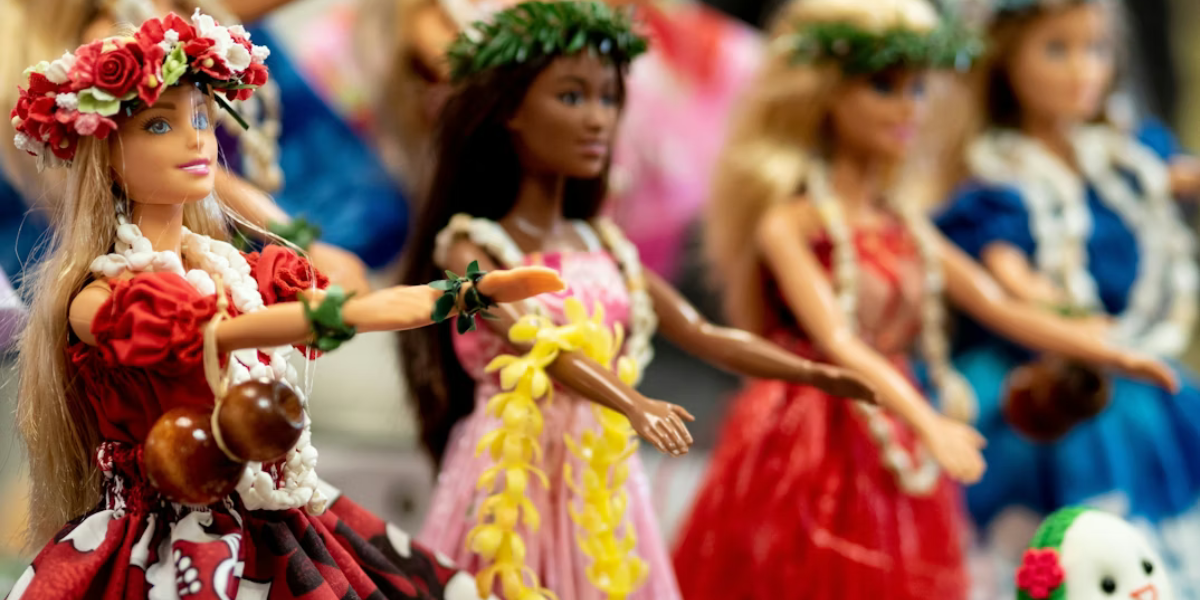
On March 9, 1959, a toy that would eventually become one of the most recognizable figures in global pop culture made its public debut in the United States. Introduced by the toy company Mattel at the American International Toy Fair in New York City, the Barbie doll quickly transformed the toy industry and the way children imagined careers, fashion, and identity. More than six decades later, Barbie remains one of the most influential toys ever created, shaping conversations about representation, creativity, and empowerment for generations of girls and women.
The Vision Behind Barbie
Barbie was developed by American businesswoman Ruth Handler, who co-founded Mattel with her husband, Elliot Handler. Handler noticed that her daughter, Barbara, enjoyed playing with paper dolls but often imagined them in adult roles rather than as children. At the time, most dolls available to American children were designed as babies, encouraging nurturing play rather than imaginative storytelling about adulthood.
Inspired by this observation, Handler envisioned a fashion doll with an adult appearance that would allow children to imagine their futures more freely. The result was Barbie, named after her daughter Barbara, an 11-inch plastic doll with a wardrobe of stylish outfits and accessories. When the doll debuted in 1959, it wore a black-and-white striped swimsuit, sunglasses, and a distinctive ponytail hairstyle.
At its unveiling in New York, the doll generated immediate curiosity among buyers attending the toy fair. Retailers soon placed large orders, marking the beginning of Barbie’s commercial success. The introduction of Barbie also signaled a shift in the toy industry toward fashion-focused dolls and character-driven branding.
A New Kind of Toy for Girls
Barbie was revolutionary because it encouraged imaginative role-playing centered on independence and aspiration. Rather than caring for a baby doll, children could envision Barbie as a student, professional, athlete, or traveler. Over time, Mattel expanded Barbie’s storyline and introduced a wide range of careers and interests.
Since her debut, Barbie has held more than 200 different professions, including astronaut, doctor, pilot, entrepreneur, and scientist. These roles helped many young girls imagine possibilities for themselves during decades when women were still breaking barriers in many fields.
The doll’s expanding universe also included friends and family members, most notably Ken Carson, introduced in 1961 as Barbie’s companion. The growing cast of characters and themed playsets allowed children to build elaborate narratives and worlds around their dolls.
Cultural Influence and Global Reach
The cultural impact of Barbie has been extraordinary. Over the decades, more than one billion Barbie dolls have been sold worldwide, making it one of the best-selling toy lines in history.
Barbie’s influence extends far beyond toys. The character has appeared in animated films, books, fashion collaborations, and museum exhibitions. The brand has also inspired trends in children’s fashion, storytelling, and imaginative play.
As society’s expectations and conversations about representation evolved, Barbie evolved as well. Mattel expanded the line to include dolls representing different body types, skin tones, hairstyles, and abilities. These updates aimed to make the brand more inclusive and reflective of the diversity seen in the real world.
Conversations About Representation
Despite its popularity, Barbie has also sparked discussion over the years. Critics have sometimes argued that earlier versions of the doll promoted narrow beauty standards. These conversations encouraged the brand to rethink how Barbie could better reflect real-world diversity.
In response, Mattel introduced dolls with a wider range of physical characteristics and career paths, highlighting achievements in science, sports, arts, and leadership. The brand has also celebrated real-life trailblazers by creating dolls inspired by notable women from around the world.
These developments demonstrate how the Barbie brand has adapted to changing social perspectives while continuing to focus on creativity and inspiration.
Why Barbie’s Debut Still Matters
The launch of Barbie on March 9, 1959, represents more than the introduction of a successful toy. It marked a turning point in how children’s play could inspire imagination about the future. By presenting a doll that represented adulthood, possibility, and personal style, Barbie opened the door to new forms of storytelling through play.
For many families, Barbie became a tool for creativity and self-expression. For others, the doll became part of wider cultural discussions about identity, gender roles, and representation. Either way, the impact of Barbie’s debut continues to be felt across generations.
Key Takeaways
- Barbie debuted on March 9, 1959, at the American International Toy Fair in New York City.
- The doll was created by Mattel co-founder Ruth Handler to encourage imaginative play about adult roles and careers.
- Over the decades, Barbie has held more than 200 careers and become one of the most widely recognized toys in the world.
- The brand has evolved to reflect changing cultural conversations about diversity, empowerment, and representation.
More than sixty years after her introduction, Barbie remains a symbol of creativity and aspiration, demonstrating how a single idea introduced in 1959 grew into a global cultural phenomenon that continues to inspire new generations.
