-1024x512.png&w=3840&q=100)
R. Riveter shows how personal stories, craftsmanship, and connection are reshaping the way consumers think about luxury.
Not long ago, I interviewed a founder who said something I haven't been able to stop thinking about. She wasn't talking about revenue, manufacturing, or marketing. She was talking about the women behind her products. She said, almost in passing, that she loves it when someone asks, "Who made this bag?" because she can tell them. Not where it was made, but who made it.
That struck me because I don't think that's a question we used to ask. For years, luxury was largely defined by recognition. If someone across the room knew the logo on your handbag, watch, or shoes, the product had done its job. It quietly communicated success, taste, and perhaps even a certain level of exclusivity.
But the market is changing, and recognizable luxury brands are not always enough. Over the past several years, I've interviewed hundreds of founders for national publications, and I've noticed a shift in the stories consumers respond to. Increasingly, they want to know more about the founder and their motivations, where something came from, who created it, and why it exists in the first place. They aren't simply evaluating a product anymore. They're evaluating the people and purpose behind it.
That doesn't mean craftsmanship has become less important. Quite the opposite. It means craftsmanship has become personal. For some consumers, knowing the story behind a product can create a deeper connection to what they purchase. The object becomes more than something designed to be carried or worn. It becomes something with meaning attached to it.
The Women Behind R. Riveter
R. Riveter offers an example of this approach. On the surface, it's an American handbag company, but the handbags aren't the only part of the story. The women behind them are central to the brand's identity. Each bag is connected to a person with her own story. One may have been made by a military spouse rebuilding her career after another PCS move. Another may have been created by a disabled veteran's wife on weekends. Another may have been made by the wife of a medically retired firefighter who found purpose in craftsmanship after her family's life changed unexpectedly.
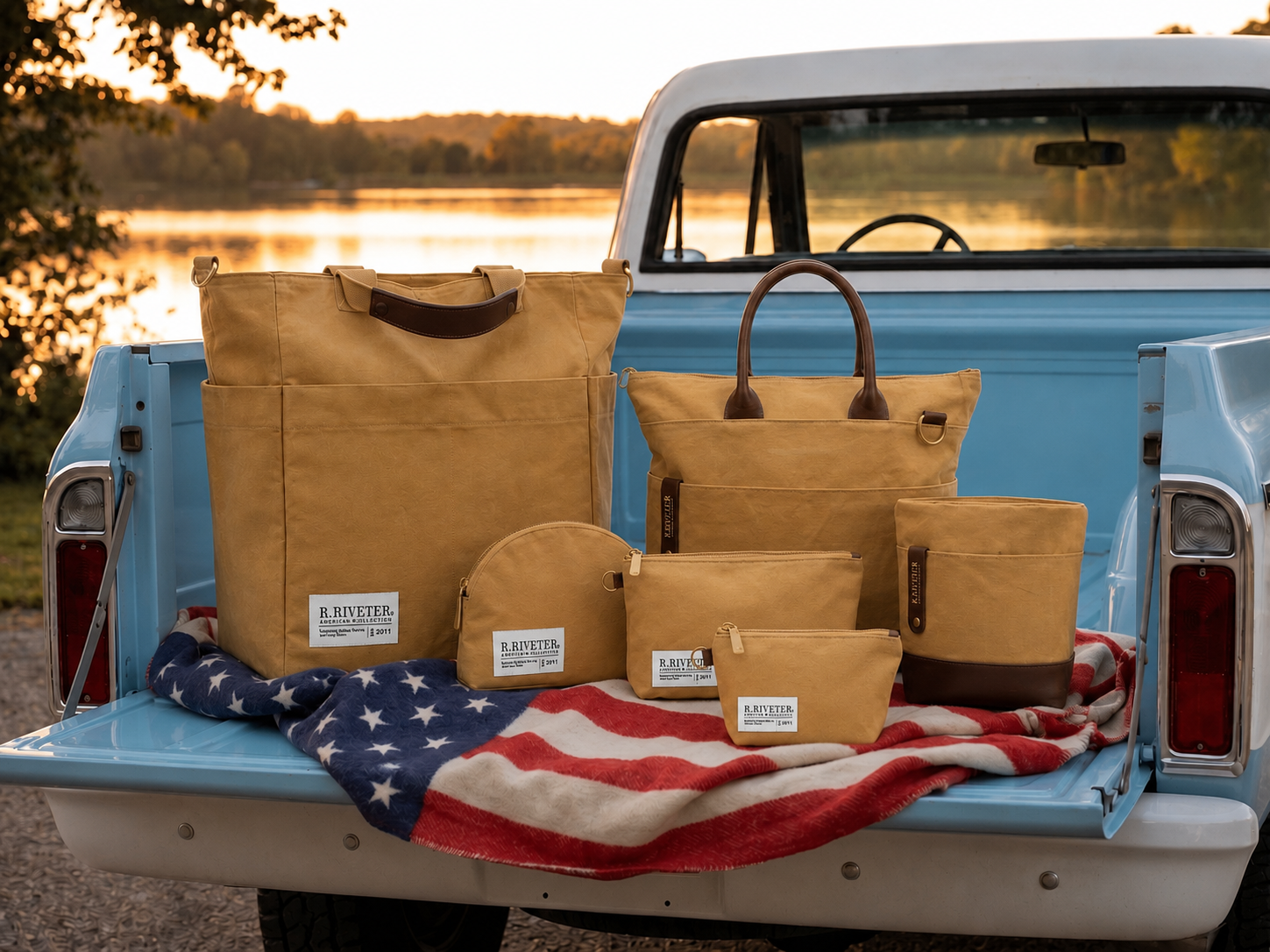
Every product represents someone whose work might otherwise remain invisible. Each "riveter" has a code, allowing customers to learn more about the woman connected to the bag they carry. That detail creates a personal connection between the maker and the person who ultimately owns the finished product.
The story behind the company is also closely connected to its mission. R. Riveter was built by military spouses to provide employment opportunities for other military spouses regardless of location. That purpose gives the products another dimension. The customer is not simply choosing a handbag based on appearance, design, or a recognizable name. There is a human story attached to the craftsmanship and the people involved in creating it.
Knowing the stories behind the company and the bags themselves offers a different proposition than buying a bag simply because it carries a recognizable logo. That intimacy with the brand you carry points to a broader change in what luxury can mean. Luxury is no longer defined only by scarcity or price. Perhaps it's increasingly defined by connection.
When someone compliments a handbag, the conversation used to end with the designer's name. Today, it might begin with the story of the woman who made it, the woman it was named after, or the women who created the brand to create opportunities for other women. That's infinitely more interesting.
Consumers still expect quality. They still appreciate, and even demand, exceptional design. But increasingly, they also want authenticity, transparency, and to feel that their purchase reflects something about their own values, not just their income. Maybe that's why brands built around real people continue to resonate.
In a marketplace filled with polished marketing campaigns and carefully curated social feeds, genuine human stories have become surprisingly rare. For consumers looking beyond a logo, discovering the people and purpose behind a product can make the experience of luxury feel more personal, more meaningful, and perhaps more lasting.
Discover The Story Behind What You Carry
For readers interested in the people, craftsmanship, and purpose behind R. Riveter, exploring the company's story offers another way to understand what can make a luxury product meaningful. The experience begins not only with the finished bag, but with the women whose work helped bring it to life.

About The Author
B. Michelle Pippin is the founder of WOMEN WHO WOW, a high-powered community helping women entrepreneurs grow their businesses through strategic relationships, increased visibility and earned media. A contributor to BizWomen.com and co-host of The Media Event, Michelle connects accomplished women with the people, platforms and opportunities that can expand their authority and reach. Join “The Visibility Gym” community at WomenWhoWOW.com.
Women’s Insider Contributor
Natalie J. Brooks
Natalie J. Brooks covers small business, branding, and digital culture. She brings a practical, accessible voice to topics that matter most to today’s women.
This article features partner, contributor, or branded content from a third party. Members of the Women’s Insider editorial staff were not involved in the creation of this content. All views and opinions are those of the contributor alone.
Related Posts

Tanya Stone: The Woman Founder Helping Executive Leaders Build Change That Lasts

Where Curious Kids Meet 100 Kinds of Animals

Clenched Jaws, Frown Lines and Sweaty Palms: What an Oakleigh Nurse Wants Melbourne to Know

Hemini Mehta & MuseScout: Transforming The Art World Through Creativity, Sustainability, & Artist Empowerment

Beyond Willpower: A New Way to End the Food Fight