



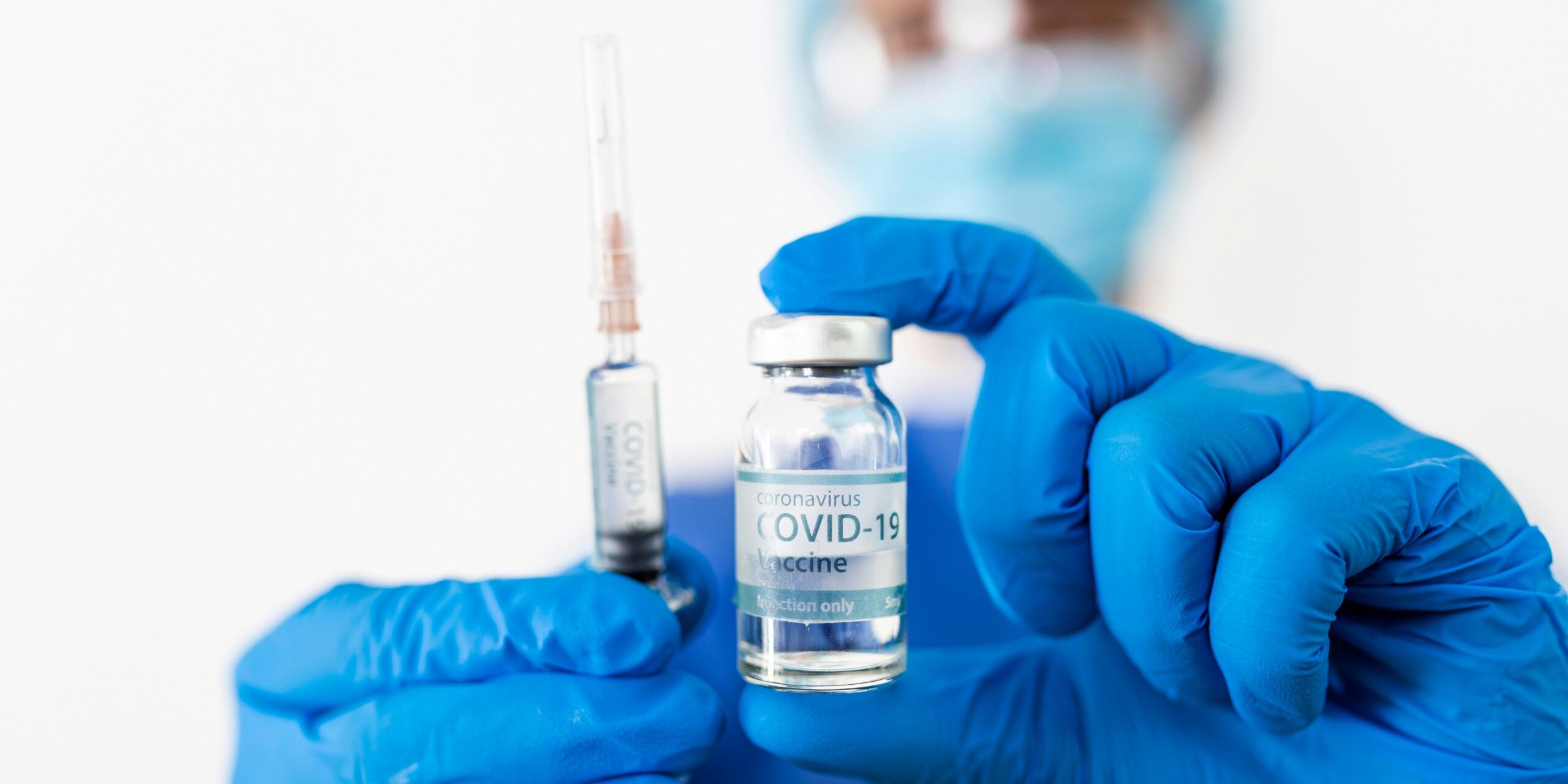
A new U.S. observational study released on January 13, 2026, suggests that the updated 2024-2025 COVID-19 vaccine formulation is providing measurable protection against the virus, particularly in terms of reducing illness and preventing hospitalizations. The study, which involved a large sample of adults, found that those who received the updated vaccine experienced significantly fewer medically attended COVID-19-related cases compared to individuals who remained unvaccinated. This group also showed a markedly lower risk of severe outcomes, such as hospitalization or death, underscoring the vaccine’s effectiveness in providing enhanced protection against the virus.
The data comes at a critical time, as the winter months are known to bring an increase in respiratory illnesses, including COVID-19. With concerns about a potential winter surge in cases, public health experts continue to encourage individuals—particularly those in high-risk categories such as the elderly, those with underlying health conditions, and immunocompromised individuals—to get vaccinated. The updated vaccine appears to be a crucial tool in managing the ongoing public health challenge posed by COVID-19, offering both individual protection and a broader public health benefit by reducing the likelihood of severe illness that could strain healthcare systems.
The early findings from this study support the growing body of evidence that suggests that the updated COVID-19 vaccine is effective at preventing both symptomatic infection and severe complications. As the virus continues to evolve and new variants emerge, the continued adaptation of vaccines remains a key component of the strategy to combat the disease. While the updated vaccine formulation has shown promising results, health experts are cautious and emphasize that vaccination should be accompanied by other preventive measures, including good hygiene, wearing masks in crowded settings, and maintaining physical distancing when necessary.
The study’s findings also provide valuable information that will likely inform future vaccine recommendations and strategies for managing COVID-19 as part of the broader effort to reduce the burden of respiratory illnesses during the colder months. This data is expected to influence ongoing public health campaigns, with a focus on maximizing vaccine uptake among those who are most vulnerable. As the winter season progresses, the protection offered by the updated vaccine could play a pivotal role in reducing COVID-19-related hospitalizations and deaths, contributing to a more manageable winter for healthcare systems.
In addition to individual benefits, the widespread use of the updated vaccine could help prevent the type of overwhelming surges in cases that have been seen in previous years. As health officials continue to monitor the situation and gather more data, the focus will remain on encouraging vaccination as the primary means of mitigating the spread of the virus and its impact on communities. The latest study offers a hopeful outlook for the ongoing fight against COVID-19, reinforcing the importance of vaccination as a critical measure in reducing the risk of severe disease, especially during the winter months when respiratory infections tend to peak.
