



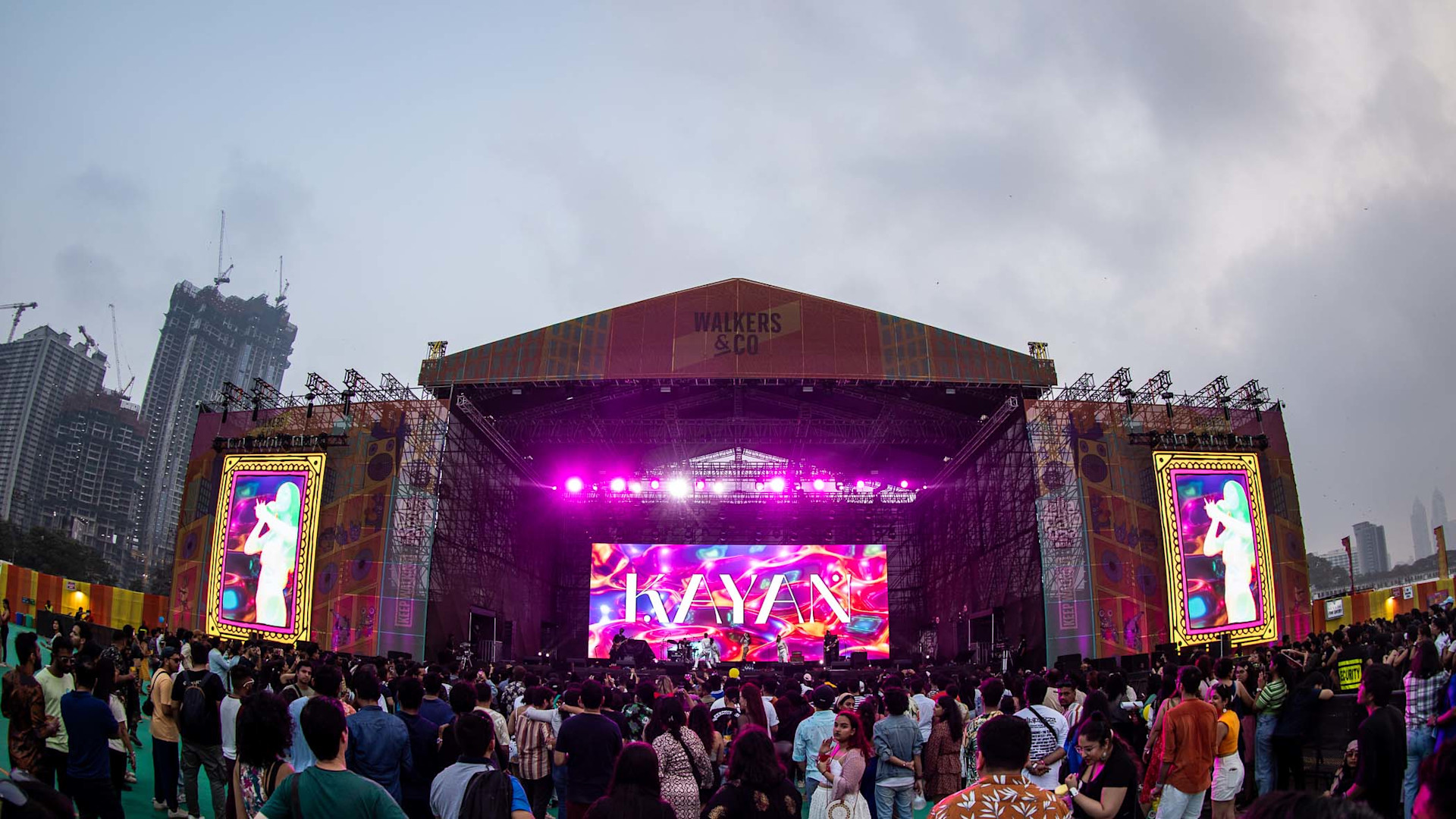
Lollapalooza’s opening day in Chicago always draws attention for its music, but the crowd itself tells another story. Festival fashion has become a public record of how people dress right now, not how they dress for fantasy.
What shows up on the ground reflects heat, long walking hours, public transit, and personal comfort. It also reflects how style has shifted over the past few years, away from costume-like outfits and toward clothes that move easily between everyday life and special events.
You do not need deep fashion knowledge to read these signals. Street style at a city festival like Lollapalooza works as a snapshot of wider habits. It shows how people respond to weather, social media, and changing ideas about self-expression. Opening day outfits offered a clear view of how practical thinking and personal taste now sit side by side.
The Chicago Factor: Why Location Shapes Festival Style
Chicago shapes how people dress more than many festivals do. The city brings heat, humidity, and sudden weather shifts. It also demands movement. Festivalgoers walk long distances, stand for hours, and rely on trains or buses to get home. Clothing choices reflect that reality.
Unlike destination festivals held in deserts or fields, Lollapalooza sits inside an active city. People arrive in outfits that already fit urban life. Sneakers dominate because broken-in shoes matter on pavement. Loose pants and relaxed tops make sense in August heat. Layers stay light because the weather can change quickly, but heavy bags or stiff fabrics create problems fast.
Local climate data explains part of this behavior. Chicago summer temperatures often reach the high 80s, with humidity that makes airflow matter more than styling tricks. Style responds to conditions, not trends alone.
What Fans Wore on Opening Day, and Why It Looked This Way
The opening-day crowd did not follow a single trend, but clear patterns emerged in how people dressed for the day ahead. Comfort, climate awareness, and personal references shaped most outfits, reflecting how festival style now responds to real conditions rather than fantasy dressing.
Comfort as a Baseline
Comfort no longer reads as a fallback choice. It sets the baseline. Sneakers, cushioned soles, and worn-in shoes appeared across the crowd. These were not styled as afterthoughts. They anchored outfits.
Oversized T-shirts, relaxed denim, cargo pants, and breathable dresses showed up repeatedly. These pieces allow movement and reduce heat stress. Fashion reporting has tracked this shift beyond festivals. Since 2020, comfort-led clothing has moved into everyday wardrobes across age groups.
What matters here is not trend adoption but acceptance. Comfort no longer needs justification. It stands on its own.
Heat, Movement, and Practical Styling Choices
Opening day outfits showed careful attention to heat. Lightweight cotton, mesh panels, and linen blends appeared often. Crossbody bags stayed small and secure. Backpacks looked functional rather than decorative. Sunglasses and hats worked as tools, not accents.
Public health guidance around outdoor heat exposure helps explain these decisions. The WHO advises breathable, lightweight clothing, hats, and sun protection during prolonged outdoor events in hot conditions. Festivalgoers may not cite these guidelines, but their behavior lines up with them.
Style followed physical need. Nothing about these outfits suggested excess planning. They looked worn, adjusted, and ready for hours outside.
Streetwear, Vintage, and Personal Referencing
Streetwear influence appeared in graphic tees, relaxed silhouettes, and sportswear details. Vintage elements added personality. Thrifted denim, band shirts, and retro jerseys showed personal history rather than trend chasing.
This approach fits how younger audiences engage with fashion now. Second-hand shopping has moved into the mainstream, driven by cost awareness and personal style exploration.
What stood out was variation. No single look dominated. People combined references instead of copying a uniform. Style felt owned rather than borrowed.
How Social Media Shapes What Ends Up on the Ground
Social media still shapes festival fashion, but the “Instagram-worthy” costume is being replaced by the “TikTok-tested” outfit. The rise of TikTok’s “Get Ready with Me” (GRWM) culture has changed the goal of dressing; it is no longer just about the final photo, but about the “wear-test.” Creators now film themselves testing if an outfit can survive an eight-hour day, emphasizing “functional-chic” over “pure spectacle.”
This has led to the rise of “festival-core” looks that are intentionally lived-in. When a video highlights how a crossbody bag fits a portable charger and a water bottle, it influences thousands to prioritize those same practicalities.
Lollapalooza differs from influencer-heavy events like Coachella because the Chicago crowd dresses for the “algorithm of real life”, where clothes must look good on camera but perform even better in a crowded train car on the way home.
Sustainability Signals Without Overstatement
Sustainability did not appear as messaging, but it surfaced through behavior. Outfits looked repeatable. Many pieces appeared familiar rather than new. Thrifted and reused clothing blended in without calling attention to itself.
Industry data supports this shift. The resale market continues to grow as shoppers look for value and variety. That data shows scale, not motivation. Individual reasons vary, and this article does not assign intent where evidence stops. What matters is visibility. Reused clothing now reads as normal, not niche.
What This Season’s Looks Say About Everyday Fashion
Festival style once lived apart from daily wardrobes. That line has faded. The clothes worn on opening day could move easily into city life the next morning. Sneakers, loose denim, and breathable tops already dominate casual wear.
This overlap explains why festival fashion feels quieter now. It does not aim to shock. It reflects how people already dress when comfort, climate, and self-expression guide decisions.
Conclusion
Opening day street style at Lollapalooza showed how fashion continues to settle into lived reality. Outfits balanced comfort, identity, and environment without calling attention to any single element. Chicago’s setting sharpened that balance.
The crowd did not dress for spectacle. They dressed for the day ahead. That choice says more about current style than any trend forecast. Festival fashion now mirrors everyday life, and that continuity feels intentional.
