




Of Woman of Life examines bodily awareness, relationships, identity, and women’s changing experiences through an empathetic literary lens.
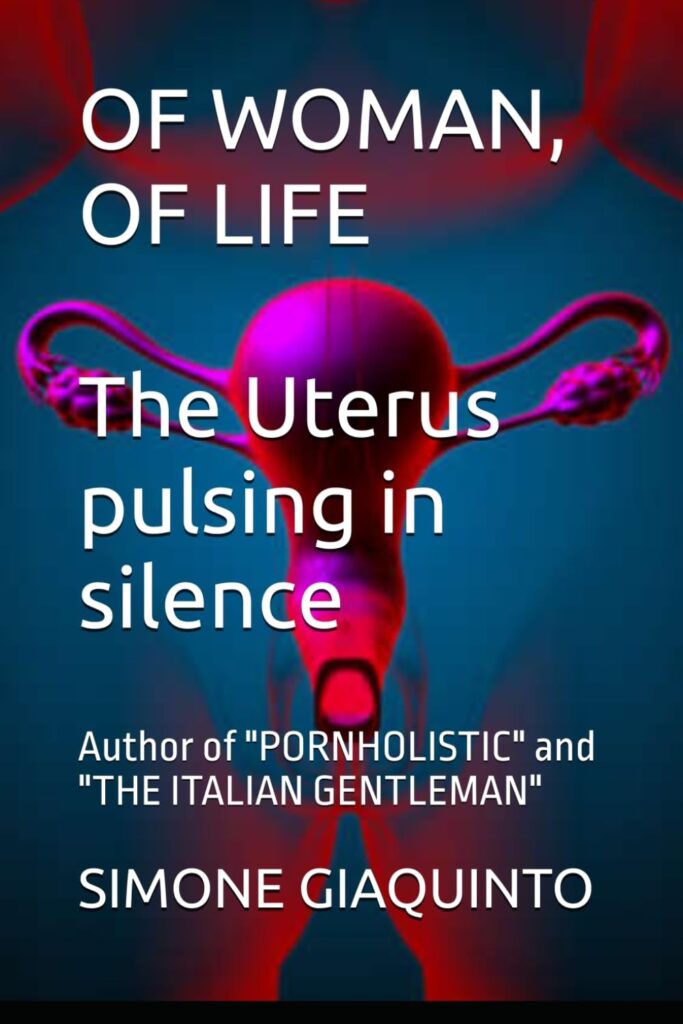
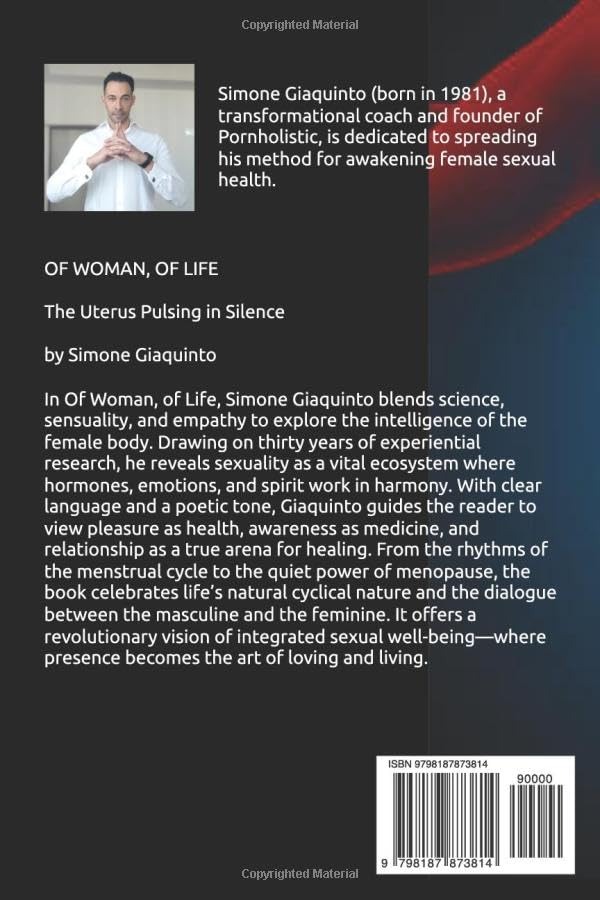
The female body is often discussed through clinical terminology, reproductive function, or visible symptoms. In Of Woman, of Life: The Uterus Pulsing in Silence, Simone Giaquinto takes a more reflective approach. He presents the body as a source of personal knowledge and explores how physical changes can influence identity, emotions, relationships, and self-understanding.
Blending accessible observations with poetic language, Giaquinto encourages readers to consider experiences that are frequently discussed in fragments or kept private. His work brings attention to the value of listening, thoughtful communication, and greater respect for the many changes women experience throughout life.
Creating Space for Reflection
At the center of Of Woman, of Life is the idea that bodily experiences should be approached with curiosity rather than judgment. Giaquinto examines how cultural expectations can shape the way women understand themselves, particularly when conversations about menstruation, pregnancy, aging, and menopause are limited or uncomfortable.
Instead of presenting the body as something separate from a person’s emotional and social life, the book considers how these areas may influence one another. Physical changes can affect confidence, relationships, routines, and an individual’s sense of identity. Giaquinto’s reflective approach gives readers space to examine those connections without claiming that every woman will experience them in the same way.
This distinction is important. The book does not attempt to define a universal female experience. It recognizes that women encounter life stages differently depending on their circumstances, relationships, cultures, and personal histories.
Listening Across Life’s Natural Cycles
Giaquinto organizes much of the book around the cyclical nature of life. Menstruation, pregnancy, hormonal transitions, and menopause are explored as significant stages that may carry emotional and personal meaning alongside their physical realities.
Menstruation is presented as more than a recurring biological event. It becomes part of a broader conversation about awareness, change, and the ways women learn to interpret their own experiences. Menopause is similarly considered beyond the common language of loss or decline. Giaquinto portrays it as a transition that may create opportunities for reflection, maturity, and a renewed understanding of identity.
By examining these stages together, the book challenges narrow ideas that connect a woman’s value primarily to youth, appearance, or reproductive capacity. It instead emphasizes dignity across every stage of life.
Examining Relationships Through Empathy
Of Woman Of Life also considers how greater awareness can shape relationships. Giaquinto writes about masculine and feminine qualities as part of a broader exploration of communication and connection. His focus remains on how people listen to one another and respond to experiences they may not personally share.
Relationships, in this context, are not presented as simple or predictable. They require patience, mutual respect, emotional honesty, and a willingness to understand another person’s perspective. Giaquinto suggests that meaningful connection begins when people move beyond assumptions and become more attentive to what others are expressing.
This message extends beyond romantic partnerships. It can also apply to families, friendships, and communities in which women’s experiences have historically been misunderstood, minimized, or left unspoken.
Balancing Accessible Language and Poetic Thought
One of the book’s defining features is its effort to make complex subjects approachable. Giaquinto does not rely exclusively on technical language. Instead, he combines discussion of bodily processes with imagery, reflection, and questions about identity and personal meaning.
The poetic elements help establish a calm and contemplative tone. Readers are encouraged to pause and examine inherited beliefs about femininity, aging, emotional expression, and the body. Rather than prescribing a specific way to think, Giaquinto presents the book as an invitation to consider how language influences understanding.
This approach may appeal to readers interested in the meeting point between the body, personal experience, and creative reflection. It also allows the book to address sensitive subjects without reducing women’s lives to a collection of medical terms or biological functions.
Opening a More Thoughtful Conversation
Ultimately, Of Woman, of Life: The Uterus Pulsing in Silence seeks to bring greater attention to experiences that are often discussed quietly, narrowly, or not at all. Giaquinto encourages readers to approach the female body with respect while recognizing the emotional, relational, and cultural dimensions surrounding it.
For women, the book may offer language for reflecting on personal transitions. For partners, relatives, and other readers, it may provide a starting point for more empathetic conversations about change, identity, and the realities women encounter throughout life.
Through its combination of accessible discussion and poetic reflection, Of Woman, of Life presents the body not as a problem to be solved, but as an important part of an individual’s evolving story. Additional information about Giaquinto and his published works is available through Simone Giaquinto’s Amazon author page.
