



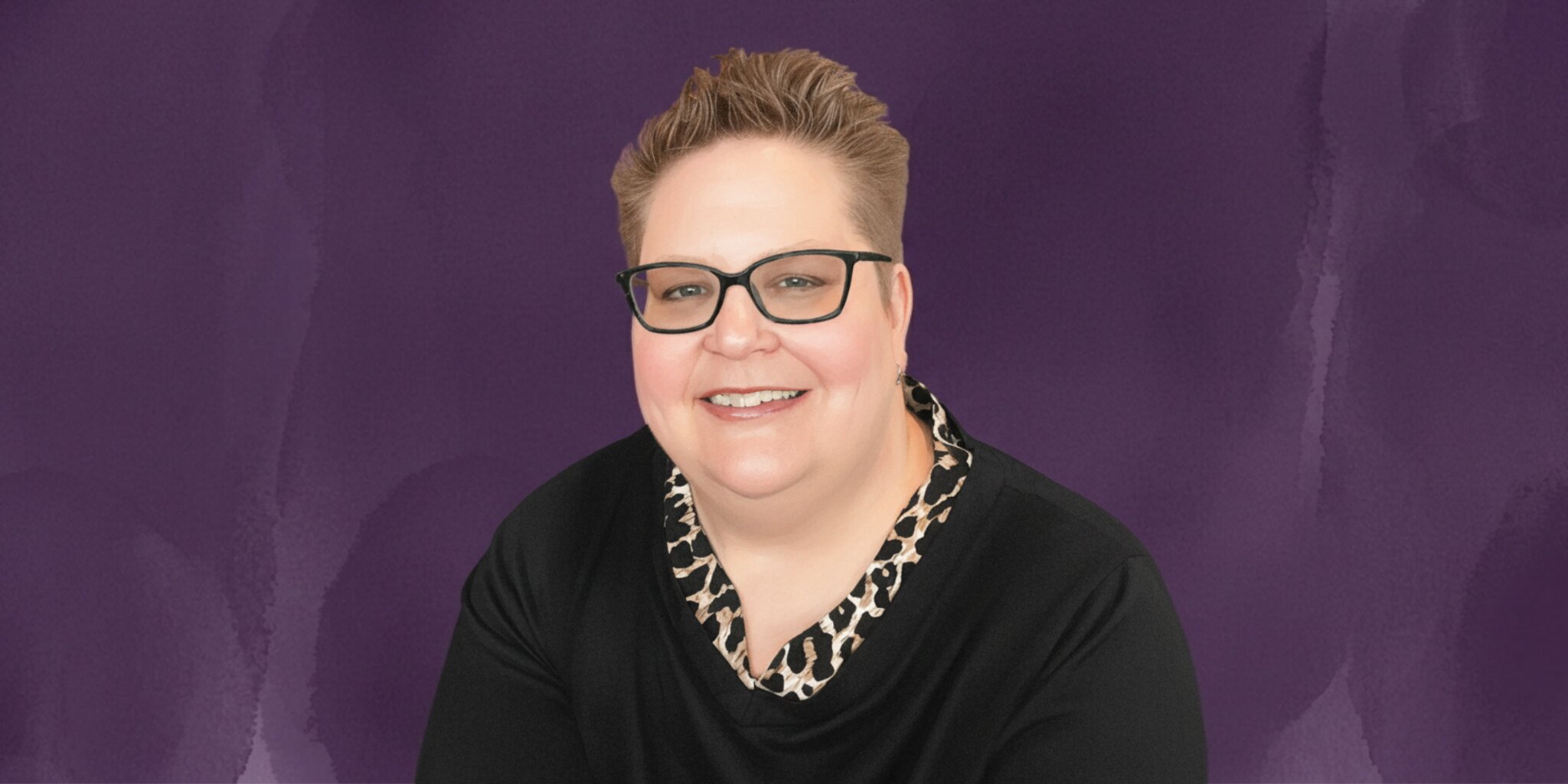
Mickey Forsyth, Self-Care Mentor for High-Capacity Women, helps women rebuild identity, boundaries, and self-trust through grounded, real life self-care.
When Strength Becomes Silent Exhaustion
There is a moment many women recognize only in hindsight. The calendar is full, the responsibilities are handled, everyone around them is supported, yet something inside feels absent. Not broken, just missing. For Mickey Forsyth, self-care is not a concept or a polished wellness phrase. It is a lived reality shaped by years of caregiving, loss, rebuilding, and learning what it means to return to yourself after disappearing into everyone else’s needs.
Her work begins in that quiet realization. The one where a woman who is known for being strong, capable, and dependable finally admits she is tired of being everything for everyone except herself. That is where Mickey steps in, not with a solution to fix a person, but with a path back to wholeness.
A Mission Rooted in Real Life Experience
Mickey Forsyth is a Self-Care Mentor for High-Capacity Women, speaker, author, and entrepreneur who built her work from lived experience rather than theory. Her journey includes caregiving, breast cancer survival, widowhood, entrepreneurship, and deep personal grief. As a suicide widow, breast cancer survivor, caregiver, and entrepreneur, Mickey brings a rare depth of lived understanding to her work with women who are tired of being praised for what they can carry while privately losing themselves under the weight of it. Yet the defining thread through all of it is not tragedy. It is resilience paired with reflection and the slow rebuilding of identity.
She explains her philosophy clearly: “Real self-care is not another thing to perform. It is the practice of coming back to yourself in the middle of real life.”
This perspective reshapes how women see exhaustion. It is not a sign of weakness. It is often the result of years of over-functioning, emotional labor, and quiet self-abandonment.
The Hidden Cost of Being the Strong One
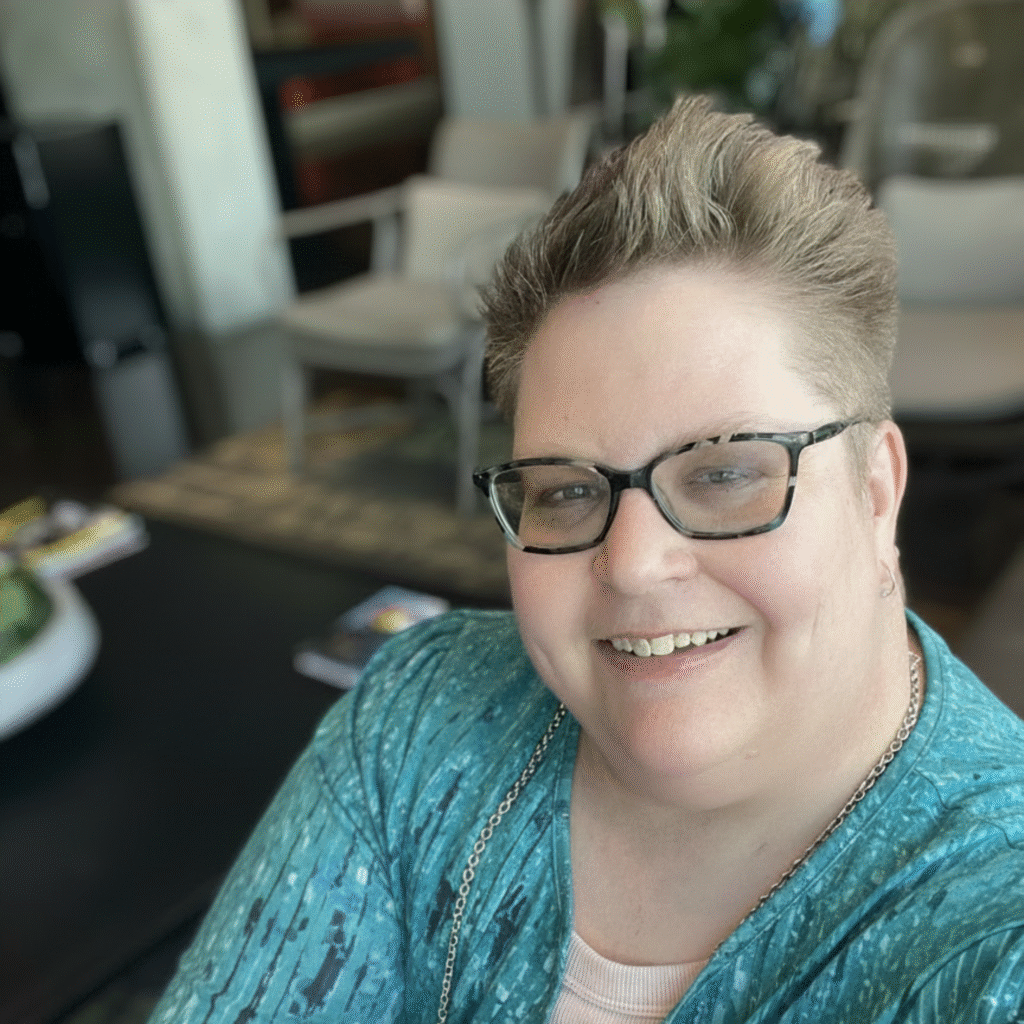
Many of the women Mickey works with are leaders, caregivers, entrepreneurs, mothers, and professionals who have spent years being the one others rely on. On the surface, they are successful. Internally, they are often disconnected from their own needs.
Mickey’s message is direct yet compassionate. “High-capacity women are often praised for how much they can carry, but no one asks what it is costing them.”
Her work helps women recognize that burnout is not always dramatic. Sometimes it is subtle. It shows up as numbness, resentment, emotional fatigue, or the quiet feeling of no longer knowing what you want.
She puts it simply: “Many women do not realize they have disappeared from their own lives until they are exhausted, resentful, numb, or no longer sure what they need.”
Turning Point Toward Reclamation
The turning point in Mickey’s work came from her own lived realization that survival is not the same as living. After years of showing up for others while managing profound personal challenges, she began to understand that strength without self-connection eventually becomes depletion.
This insight became the foundation of her coaching, writing, and speaking. Rather than encouraging women to do more self-care tasks, she challenges them to rethink the entire structure of how they relate to themselves.
Her approach is not about escape. It is about integration. As she says, “Coming back to yourself does not mean burning your life down. It means learning how to exist inside your life without disappearing from it.”
The Burnout Masks That Hide Identity Loss
One of Mickey Forsyth’s signature tools is her burnout mask framework, which helps high-capacity women recognize the emotional roles they often adopt to survive pressure and responsibility. These are the emotional roles women often adopt to survive pressure and responsibility. Her burnout mask framework includes Rescuer Rachel, Enduring Emma, Self-Sacrificer Sarah, Stoic Sally, and Numb Nancy, recognizable patterns that help women identify how they have survived pressure, responsibility, grief, and emotional overload.
Importantly, she does not treat these patterns as flaws. Instead, she reframes them with compassion. “The masks we wear are not flaws. They are often the patterns that helped us survive. But at some point, we have to ask whether they are still helping us live.”
This shift allows women to step out of self-criticism and into awareness. From there, change becomes possible without shame.
A Different Definition of Self-Care
Mickey’s work consistently challenges cultural misunderstandings about self-care. In her view, it is not spa days, escape, or indulgence. It is emotional honesty, boundary setting, and rebuilding trust with oneself.
She states, “Self-care is not selfish. Self-abandonment is not noble.”
This redefinition is especially powerful for women who have spent years prioritizing everyone else. It reframes self-care as a necessity for sustainable living rather than an optional luxury.
Her message remains steady throughout her work: “You can be strong and still need support. You can love deeply and still have limits. You can be capable and still be tired.”
Helping Women Ask Better Questions
At the heart of Mickey Forsyth’s philosophy is a shift in internal dialogue. Instead of asking what is wrong with them, she encourages women to ask what patterns they learned to survive.
“My work is about helping women stop asking, ‘What is wrong with me?’ and start asking, ‘What pattern did I learn to survive, and what do I want to choose now?’”
This reframing is where transformation begins. It removes shame and replaces it with understanding. It also opens space for practical change that fits real life rather than unrealistic expectations.
The Come Back to You Movement
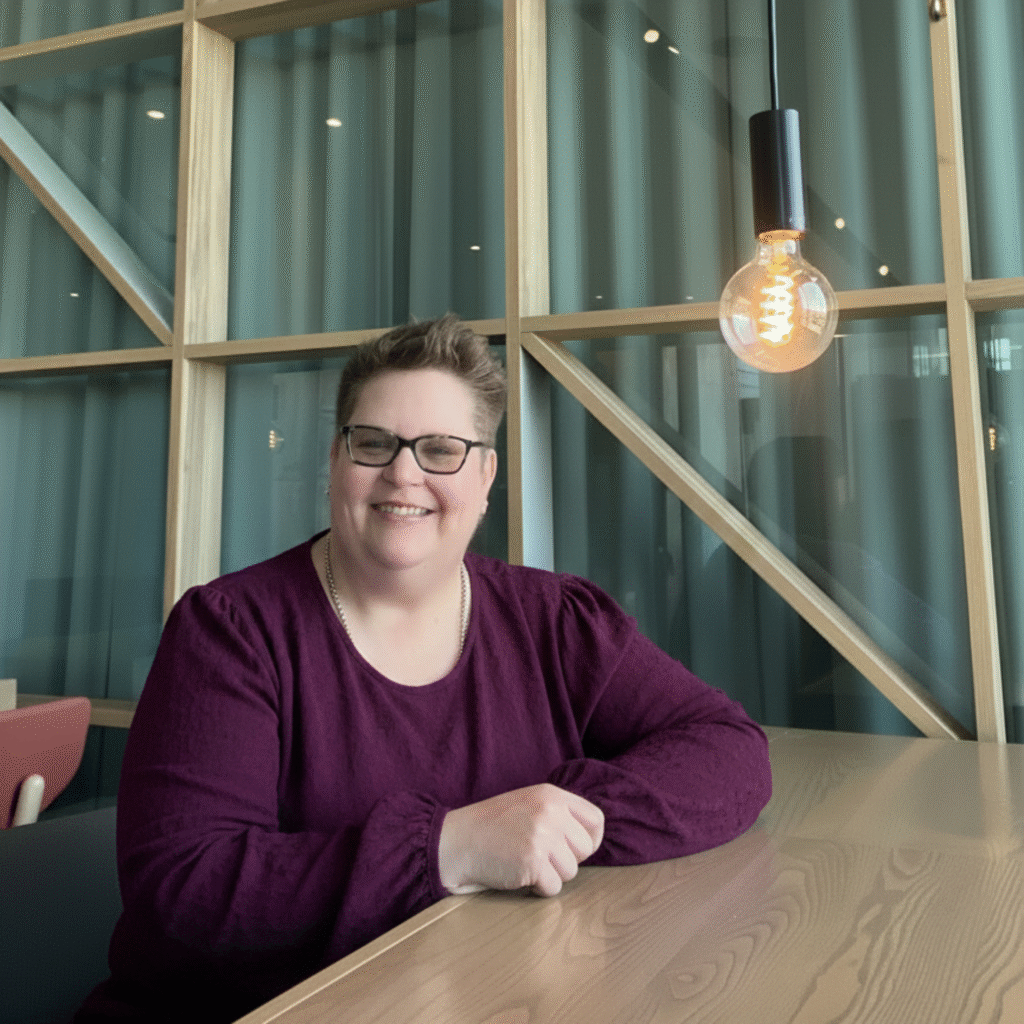
As the founder of the Come Back to You movement, Mickey Forsyth creates spaces where high-capacity women can pause without pressure. Through coaching, speaking, workshops, and community work, she helps women reconnect with identity, energy, and emotional clarity.
Her work is not about stepping away from life. It is about returning to it differently. With awareness. With boundaries. With self-trust.
Her message remains consistent: women do not need to become less capable. They need to stop disappearing beneath everything they are capable of carrying.
Mickey Forsyth continues to redefine Self-Care for High-Capacity Women by offering a grounded, compassionate approach to identity recovery and emotional sustainability. Her work speaks directly to women who are tired of holding everything together while quietly losing themselves in the process.
For those ready to reconnect with themselves, Mickey’s work offers a starting point that is both practical and deeply human. Women who are ready to stop disappearing inside their own lives can explore Mickey’s coaching, resources, and community at mickeyforsyth.com.
Visit her platforms to learn more and connect with her work:
