



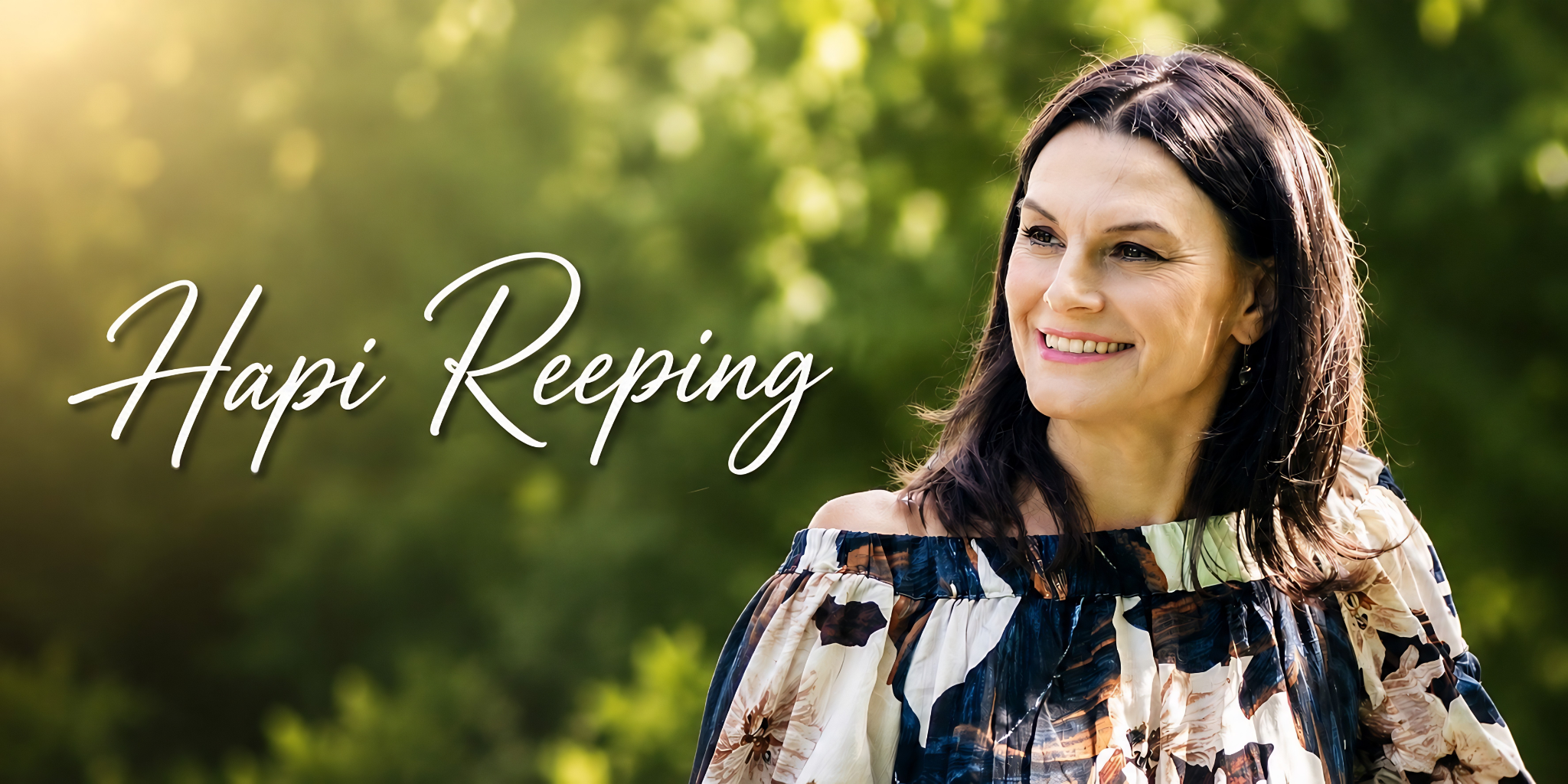
Founder Hapi Reeping B.Sc, M.Med.Sci shares a powerful recovery journey helping daughters of narcissistic mothers heal and rebuild lasting emotional freedom.
There are wounds that leave bruises, and then there are wounds that remain invisible for decades. For many women raised by narcissistic mothers, the damage often hides beneath successful careers, polished appearances, and lives that seem “good enough” from the outside. Yet beneath the surface, many women struggle with anxiety, chronic stress, emotional exhaustion, misdiagnosed illnesses and a deep sense that they are never truly safe to be themselves.
For Hapi, that reality became impossible to ignore. After years of navigating the long term effects of narcissistic parenting, she founded Thriving Daughters to help women understand that recovery is not only possible, but complete transformation can happen when trauma is addressed at its root.
Hapi’s story is not built around quick fixes or motivational slogans, it is grounded in lived experience. She understands the confusion many daughters feel when the parent causing harm appears caring, respected, or functional to the outside world. In these environments, emotional manipulation and chronic invalidation are often overlooked because there are no obvious signs of abuse.
“The world does not fully understand the impact of parenting that looks acceptable on the outside but causes long term damage somatically,” Hapi explains. “Many women spend years believing they are the problem because nobody recognizes what they have lived through.”
That hidden suffering became the foundation for Thriving Daughters. The platform focuses on helping women recognize how unresolved trauma from narcissistic parenting can affect emotions, relationships, physical health, self worth, and overall quality of life long into adulthood.
Why Thriving Daughters Takes a Different Approach
One of the most important distinctions in Hapi’s work is her understanding and lived experience that healing requires more than changing thoughts or reframing memories. While traditional therapeutic approaches often focus heavily on cognitive strategies, she has seen for herself that many survivors remain stuck because the trauma itself is stored physically within the body.
According to Hapi, women affected by narcissistic abuse frequently experience symptoms that conventional systems fail to connect with emotional trauma. Chronic tension, ADHD, fatigue, hypervigilance, and persistent fear responses can continue even when someone intellectually understands their experiences.
Thriving Daughters focuses on helping women release those patterns instead of simply managing them mentally. Hapi believes this body centered understanding is still missing from much of the mainstream health care aimed at symptoms rather than the root cause.
She also challenges one of the most discouraging messages many survivors hear: that they will never fully recover.
“I believe women can completely recover,” says Hapi. “Too many are told they will spend their lives coping rather than truly living. That belief alone can keep people trapped.”
That perspective has helped distinguish Thriving Daughters in a growing holistic health landscape where many programs focus primarily on symptom management rather than deep restoration.
A Hidden Health Issue Finally Receiving Attention
Awareness around narcissistic abuse has increased in recent years, but Hapi believes there is still a major gap; many healthcare providers and support systems, she says, are not fully equipped to recognize how developmental trauma shapes both mental and physical wellbeing over time.
For countless adult daughters, this creates another painful layer of isolation. They may seek help for anxiety, burnout, chronic stress, or relationship difficulties without realizing their childhood environment is still influencing their nervous system decades later.
Hapi hopes conversations around narcissistic abuse continue evolving beyond surface level awareness and toward informed, trauma sensitive care. Through Thriving Daughters, she aims to give women language for experiences they may have struggled to explain for years.
Her work also emphasizes empowerment instead of victimhood. While acknowledging the seriousness of narcissistic abuse, she encourages women to see themselves not as damaged beyond repair, but as individuals capable of rebuilding safety, confidence, and emotional freedom.
Building a Future Beyond Survival
What resonates most deeply with many women discovering Thriving Daughters is the possibility of a future that feels larger than survival mode. Hapi’s message is not simply about enduring difficult experiences, it’s about reclaiming identity, emotional peace, and the ability to live fully without constant fear or self doubt.
That mission continues to attract women searching for answers after years of feeling misunderstood. By sharing her own story openly, Hapi has created a space where adult daughters of narcissistic mothers can begin recognizing patterns that once felt invisible and start pursuing a different future.
As conversations around trauma continue expanding globally, Thriving Daughters is helping bring attention to a form of emotional harm that often remains hidden in plain sight. More importantly, it is offering hope to women who may have spent years believing healing was out of reach and that they are the problem.
Women interested in learning more about Hapi’s work, recovery insights, and support resources can visit Thriving Daughters or follow her on Instagram at @iamhapireeping.
