



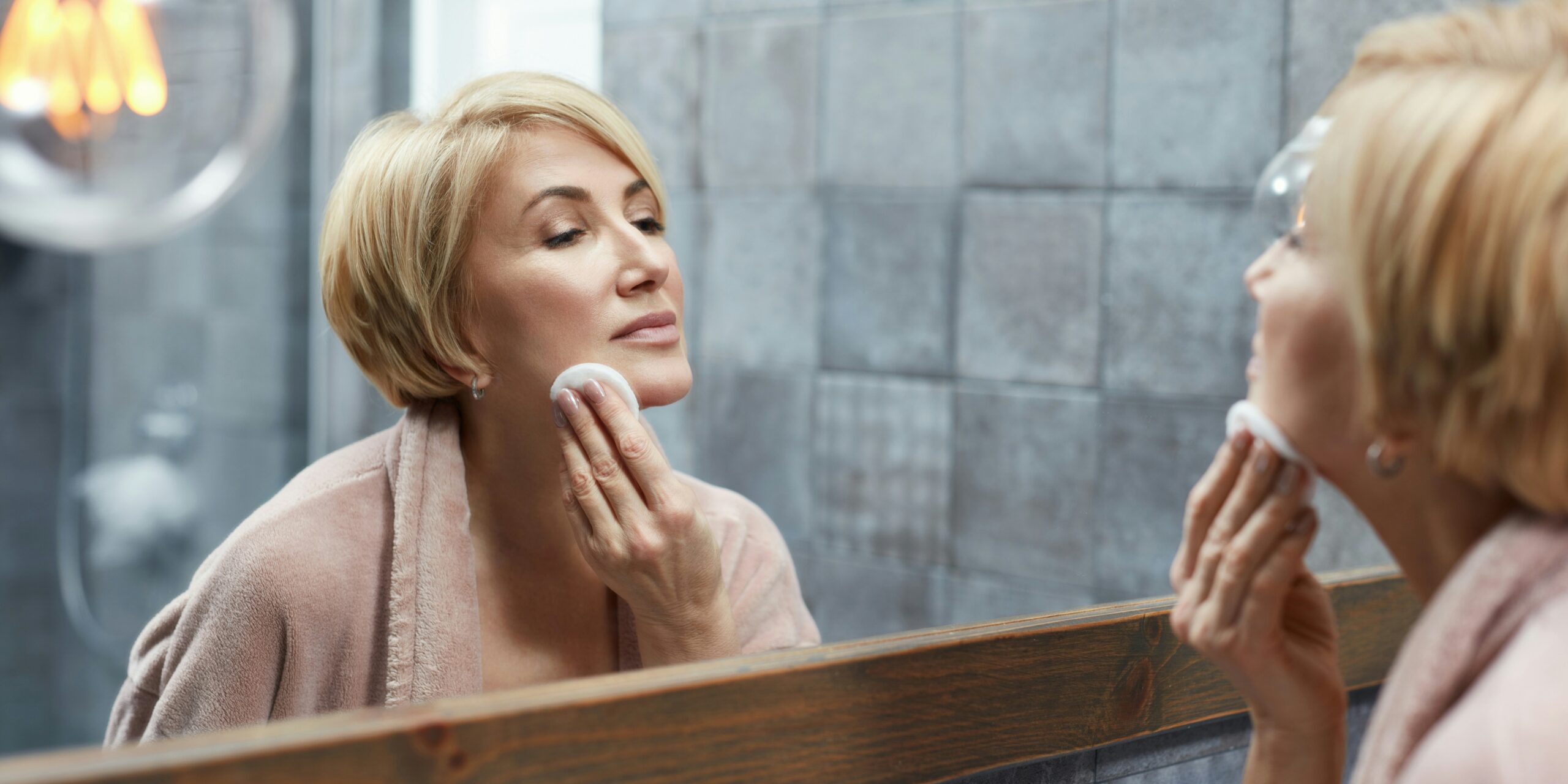
As we step into 2026, the beauty industry is witnessing a significant shift toward a more intentional and science-driven approach to skin care. Gone are the days of chasing fleeting beauty trends and quick fixes; now, consumers are seeking products that are backed by scientific research, focusing on long-term skin health and resilience. Dermatologists and beauty professionals are emphasizing ingredient-focused routines, urging individuals to prioritize trusted active ingredients like retinol, vitamin C, and peptides. These ingredients, known for their proven effectiveness, are being formulated in more advanced, sophisticated delivery systems that promise to enhance their absorption and efficacy.
This shift is driven by a deeper understanding of skin health and a growing desire for sustainable, results-driven beauty products. The trend toward back-to-basics skin care is not about embracing complexity or overwhelming routines, but rather refining the fundamentals of good skin care. Consumers are looking for products that improve the skin’s health from the inside out, as opposed to temporary cosmetic fixes. Skin care is becoming more about nurturing the skin, maintaining its resilience, and addressing its needs in a more holistic, balanced way.
Brands are responding to this demand by upgrading classic skin care formulas with biotech-enhanced ingredients. These biotech innovations are combining the best of nature and technology to create skin care products that not only address visible concerns, such as fine lines and dark spots, but also support the overall function and health of the skin. For instance, serums, once considered simple, are now more sophisticated, packed with high-performance actives that deliver real, lasting results. The use of advanced technology in the formulation process allows for more effective products that are gentle on the skin, enhancing absorption and optimizing the benefits of each ingredient.
Peptides, in particular, have gained recognition as one of the most promising ingredients in skin care. Known for their ability to repair and regenerate skin, peptides are increasingly being incorporated into formulas that work to strengthen the skin’s natural barrier, improve elasticity, and promote a more youthful appearance. Combined with other powerhouse ingredients like retinol and vitamin C, peptides are helping to redefine skin care as a practice focused on both short-term and long-term results.
As this shift towards evidence-based skin care continues, consumers are becoming more knowledgeable and discerning about the ingredients in the products they choose. There is a growing demand for transparency in the beauty industry, with shoppers seeking products that are not only effective but also ethically sourced and sustainably packaged. Many beauty brands are recognizing this shift and are moving toward more sustainable practices, from using recyclable packaging to sourcing ingredients from responsible, eco-conscious suppliers. This change reflects a broader cultural movement toward sustainability and mindfulness, as individuals increasingly look for products that align with their personal values.
The emphasis on transparency and sustainability in skin care is also being reflected in the growing popularity of “clean” beauty products. However, clean beauty is evolving beyond just avoiding harmful chemicals. Consumers are now looking for formulations that combine clean, natural ingredients with cutting-edge technology. The fusion of these elements is creating a new category of products that deliver real, science-backed results while still being gentle and safe for the skin.
In 2026, the beauty industry is clearly shifting away from fads and toward long-term, health-focused skin care routines that prioritize scientifically proven ingredients and sustainable practices. As consumers increasingly seek products that support their skin’s natural resilience and function, the beauty industry is responding with more sophisticated, evidence-backed formulations that promise both immediate and lasting results. The move toward a more intentional, science-driven approach to skin care signals an exciting future where beauty is not just about appearance, but about overall skin health and wellness. With these changes in mind, the beauty landscape in 2026 is poised to offer a more thoughtful, personalized approach to self-care, where the focus is on nourishing and strengthening the skin in ways that will last for years to come.
Read Also: https://womensinsider.com/january-brings-new-skin-care-and-beauty-launches-to-u-s-market/
